
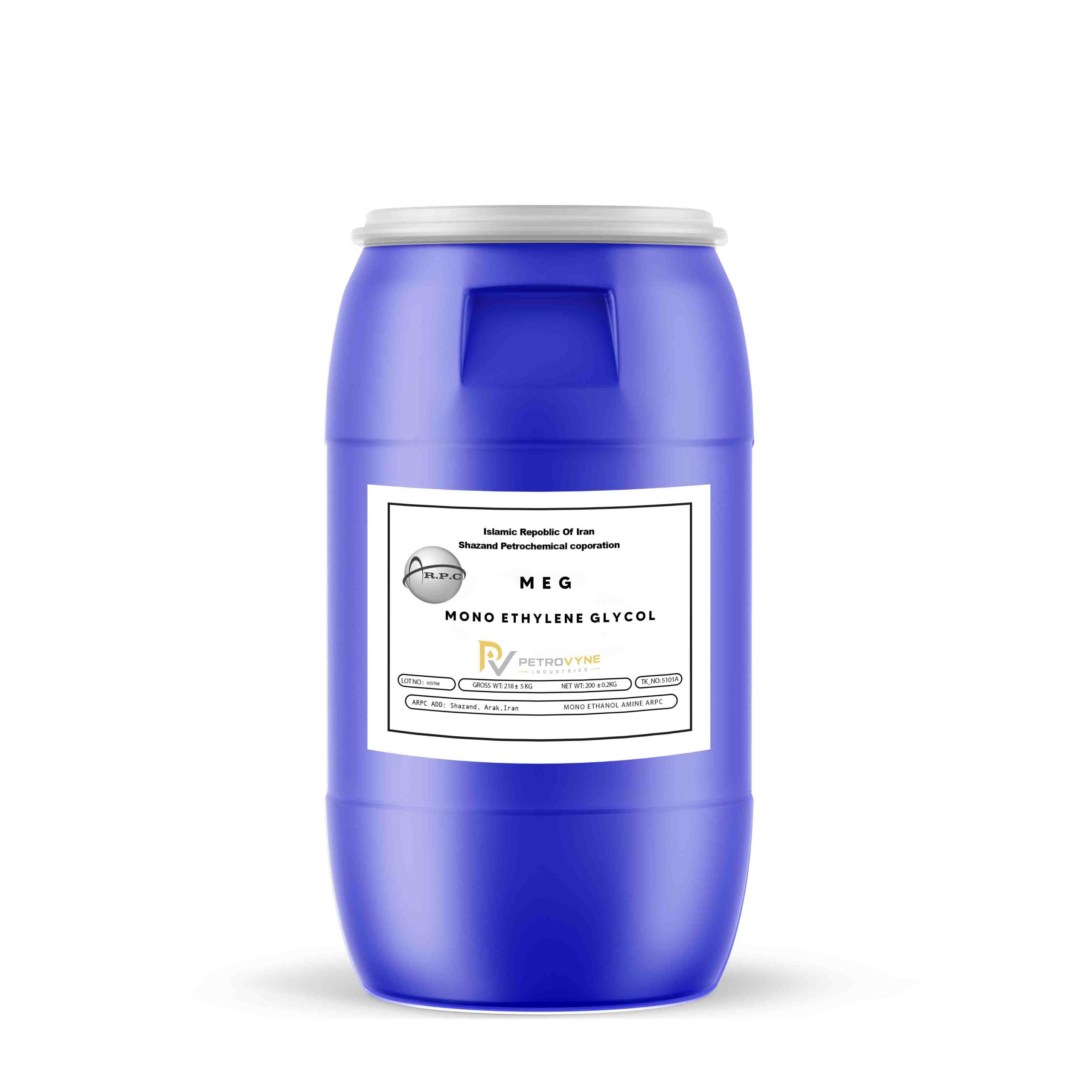

MEG
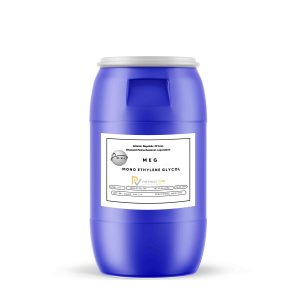
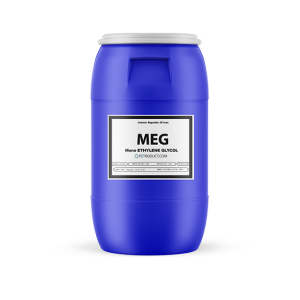
MONOETHYLENEGLYCOL obtained from the reaction of ethylene oxide and water.
Monoethylene glycol (MEG)
Product Description
MONOETHYLENEGLYCOL obtained from the reaction of ethylene oxide and water. It is a clear, transparent and odorless liquid that can be mixed with water in any proportion.
| Characteristic | Test Method | Unit | Value |
| PURITY | ASTM E – 202 | WT. % | 99.8 MIN. |
| DIETHYLENE GLYCOL | ASTM E – 202 | WT. % | 0.08 MAX. |
| WATER CONTENT | ASTM E – 203 | WT. % | 0.08 MAX. |
| ACIDITY AS ACETIC ACID | ASTM D – 1613 | WT. PPM | 10 MAX. |
| ASH | DC – 254A | gr/100ml | MAX. 0.005 |
| CHLORIDES | EO – 635 | WT. PPM | 0.1 MAX. |
| IRON | ASTM E – 202 | WT. PPM | 0.1 MAX. |
| ALDEHYDE AS
ACETALDEHYDE |
DC – 163C | WT. PPM | 10 MAX. |
| COLOR Pt-Co | ASTM D – 1209 | Pt – Co | 5 MAX. |
| SP. GR (20/20 °C) | ASTM D – 891 | – | 1.1151 – 1.1156 |
| DISTILLATION @ 760 MM-Hg | |||
| IBP | ASTM D – 1078 | °C | 196 MIN. |
| DP | ASTM D –1078 | °C | 199 MAX. |
| 5-95 VOL % RANGE | ASTM D–1078 | °C | 1 MAX. |
| UV TRANSMITTANCE | |||
| AT 220 nm | EO –577A | T % | 70 MIN. |
| AT 275 nm | EO –577A | T % | 95 MIN. |
| AT 350 nm | EO –577A | T % | 99 MIN. |
Application areas:
Polyester :
Polyester fibers, threads, films and polyester resins are produced from the reaction between MONOETHYLENEGLYCOL with dibasic acids and their esters, such as terephtalic, oxalic, succinic, glutamic and adipic acids among others. The polyterephtalate fibers of MONOETHYLENEGLYCOL are widely used in the textile industry and known commercially as Tergal, Terilene, Dacron and Trevira among other names.
Due to their high mechanical resistance, excellent dielectric properties and low hygroscopicity, polyester films are used to produce photographic films, magnetic tapes and packaging.
MONOETHYLENEGLYCOL is used in the synthesis of polyethylene tereftalate (PET), which is frequently used in the packaging of foodstuff and carbonated beverages.
Agrochemicals :
DIETHANOLAMINE is used as neutralizer agents for anionic emulsifiers. DIETHANOLAMINE can be used in the preparation of agricultural compounds obtained from 2,4D acid (2, 4 dichloro phenoxiacacetic) and DIETHANOLAMINE can be used in the synthesis of glyphosate.
Wetting and plasticizing agents :
MONOETHYLENEGLYCOL can be used as wetting and plasticizing agent in the production of cellophane, glues and adhesives, textiles, printing ink, leather, cosmetics, paper and pharmaceutical products.
Coolant additives :
MONOETHYLENEGLYCOL is used in industrial refrigeration circuits and internal combustion engine coolant systems with the purpose of raising the boiling point and reducing the freezing point of the solution used. For this application, an anticorrosive must be added to MONOETHYLENEGLYCOL to prevent the system from suffering water corrosion.
DIETHYLENEGLYCOL can be used in antifreeze formulations in proportions of up to 10% together with MONOETHYLENEGLYCOL. The various quantitative ratios between these components are suitable for specific applications in the field of industrial refrigeration.
Other uses :
Ethyleneglycols can also be used in the formulation of printing ink, in the treatment of gases, in the formulation of fire-resistant hydraulic fluids, in the formulation of cutting oils, in the formulation of surface polishers, in the formulations of agrochemicals, in the extraction of solvents, in the manufacture of pigmented pastes and putty for walls, and in the synthesis of explosives.
Storage conditions:
Under nitrogen blanket and at ambient temperature.
Packing:
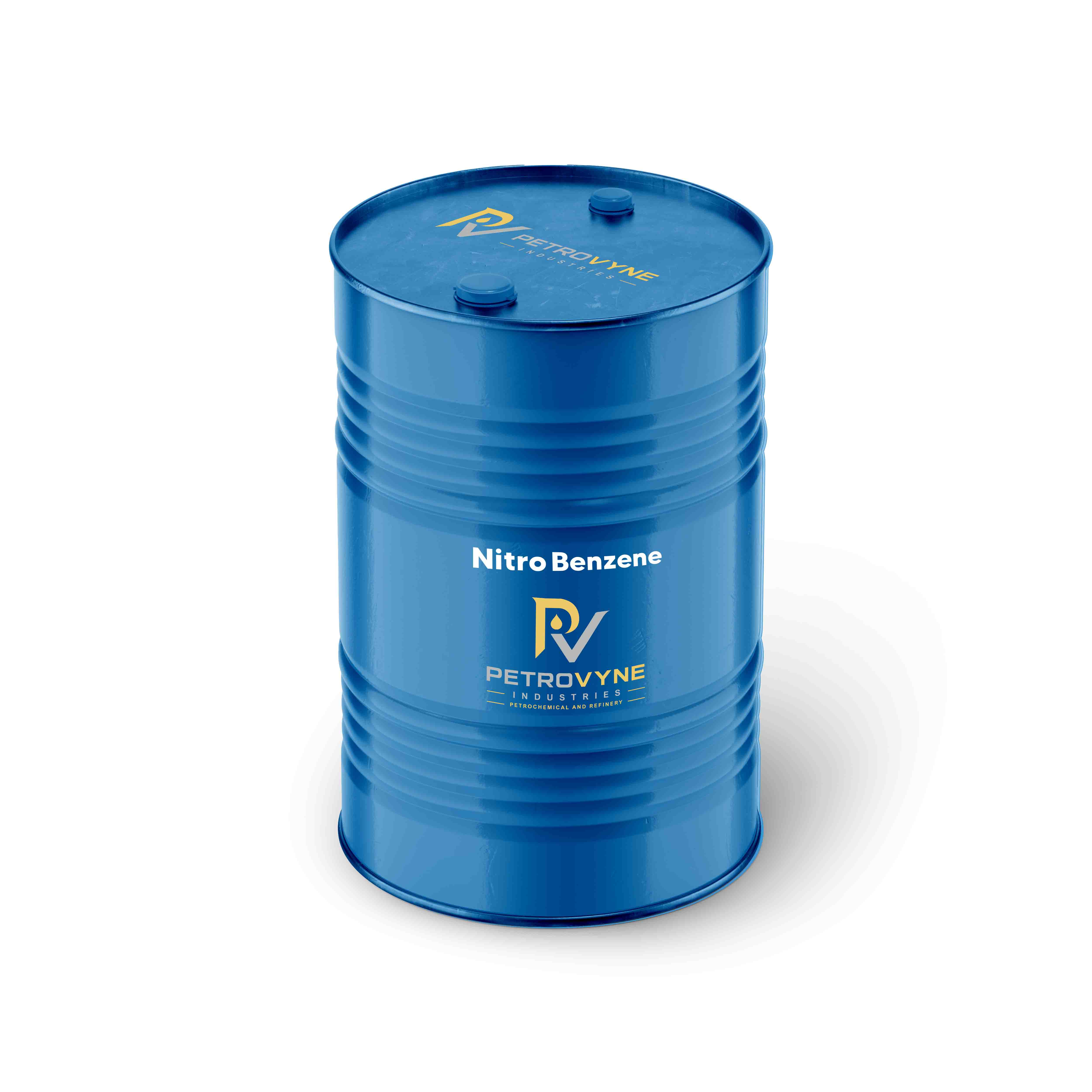
Bulk or in 220 Lit (net: 220 Kg) new drums, each 4 drums strapped on a pallet.
| Purity ( W/W% ) | 99.8 |
|---|---|
| Application(s): | Polyester, Agrochemicals, Wetting and plasticizing agents, Coolant additives, |
TDS : Download
MSDS: Download